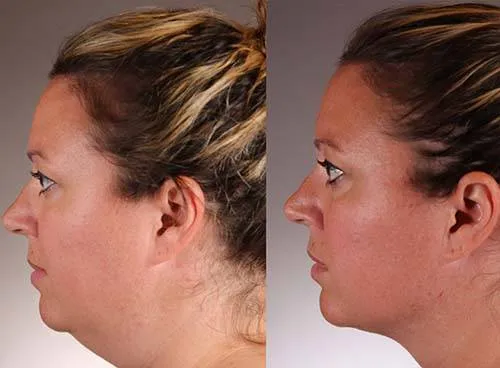
Managing Hormonal Skin Texture and Complexion Irregularities Safely
Significant fluctuations within the endocrine system can radically alter the physical landscape of your skin, often in highly unpredictable ways. Whether triggered by pregnancy, thyroid imbalances, or the menopausal transition, internal hormonal shifts frequently manifest as stubborn external textural changes. Patients often experience a sudden thickening of the epidermal layer, accompanied by rough, uneven patches and the emergence of dark, highly concentrated pigmentation. This specific type of discoloration, commonly known as melasma, is notoriously difficult to manage because its root cause lies deep within the body's internal chemistry. It creates a highly frustrating daily reality for individuals who previously enjoyed a naturally clear and completely uniform complexion.
The traditional approach to clearing uneven texture and dark spots heavily relied on the use of intense, heat-based ablative lasers. Practitioners would attempt to literally burn away the dark patches, assuming the skin would heal with a lighter, more even tone. However, for patients dealing with hormonally driven melasma, applying intense heat to the face is often a massive clinical mistake. The melanocytes, the cells responsible for producing pigment, are highly reactive to thermal injury and often respond by aggressively producing even more colour. This defensive reaction frequently leaves the patient with significantly darker, more widespread patches than they had before the treatment began.
Managing hormonally sensitive skin requires a completely different approach, one that carefully respects the reactive nature of the pigment-producing cells. We must find a way to physically break up the trapped clusters of melanin and smooth the roughened surface without generating any thermal trauma. The solution lies in 'cold' mechanical resurfacing, a method that triggers profound cellular repair through precise physical stimulation rather than heat. By creating thousands of microscopic vertical pathways, we can safely dismantle the stubborn pigment deposits and encourage the growth of fresh, healthy tissue. This highly controlled mechanical disruption signals the body to flush away the discoloration while maintaining a completely safe, low internal temperature.
For patients demanding a safe, clinically proven method to manage these complex hormonal changes, SkinPen microneedling Honolulu offers an exceptional solution. This highly advanced medical device provides exact depth control, allowing the practitioner to target the specific layers where the pigment is trapped. Because the device relies entirely on precise mechanical action, it completely eliminates the dangerous risk of heat-induced rebound hyperpigmentation. It systematically breaks down the roughened epidermal layers, forcing the body to generate a much smoother, beautifully unified, and highly reflective surface. This level of safety and predictability makes it the definitive standard of care for patients with highly reactive, hormonally driven skin conditions.
The biological healing process following this mechanical resurfacing is incredibly efficient and highly manageable for a busy daily schedule. You will likely experience a mild, rosy flush immediately after the session, which typically subsides naturally within twenty-four to forty-eight hours. The protective barrier of the skin closes very quickly, meaning you do not have to endure the extensive peeling or raw tissue associated with chemical burns. The body goes to work quietly beneath the surface, slowly breaking apart the dark clusters and weaving a fresh, structurally sound dermal layer. You can comfortably resume your professional and social obligations almost immediately, knowing the deep restorative work is actively underway.
Achieving a permanently clear complexion when battling endocrine shifts requires a commitment to a thoughtfully spaced series of these restorative treatments. The trapped pigment and thickened texture did not appear overnight, and it requires repeated mechanical signalling to fully clear the accumulated damage. As the weeks progress and you complete subsequent sessions, the dark, stubborn patches will noticeably soften and slowly begin to lift away. The overall texture of your face will transition from rough and congested to incredibly smooth and beautifully bright. This gradual fading provides immense psychological relief, restoring the clear, highly predictable canvas you remember from years past.
Protecting this newly unified complexion demands absolute vigilance against any future ultraviolet exposure, which easily re-triggers dormant pigment cells. Applying a thick, high-quality physical mineral block every single morning is a mandatory requirement for maintaining your hard-earned clinical results. You must also combine these treatments with a supportive, non-irritating home care routine that respects your skin's unique hormonal sensitivities. By managing the surface carefully and relying on safe mechanical resurfacing, you can successfully break the frustrating cycle of hormonal skin changes. You regain total control over your appearance, ensuring a consistently clear, even, and radiant reflection every single day.
Conclusion
Hormonal shifts frequently trigger stubborn pigmentation and rough, uneven textures that cannot be safely treated with traditional heat-based lasers. By utilising precise, cold mechanical resurfacing, practitioners can safely break apart dark pigment clusters and smooth the complexion without risking thermal damage. This highly intelligent, biologically respectful approach provides a reliable, permanent method for restoring a clear, unified, and beautifully smooth facial appearance.
Call to Action
Take safe, effective control of your hormonally driven skin concerns by scheduling a detailed textural assessment with our compassionate clinical team today. We will design a precise, heat-free resurfacing plan to safely break down stubborn pigmentation and restore your smooth, naturally radiant complexion.